
Freitag, 2 Oktober, 2026
Top 10 APAC Flexible Workspace Markets by Demand in H1 2026
Across APAC, flexible workspace demand increased 19% in H1 2026 compared with the same period last year. This growth significantly outpaced supply, which increased by 1% over the same period, highlighting continued appetite from businesses for flexible workspace. The growth also reflects a maturing region. Flexible workspace is increasingly being used not only by smaller businesses and hybrid workers, but by larger organisations looking for cost flexibility, scalable space and alternatives to traditional long-term office commitments.
Here are the ten largest APAC flexible workspace markets by highest number of enquiries in H1 2026.
1. Tokyo, Japan
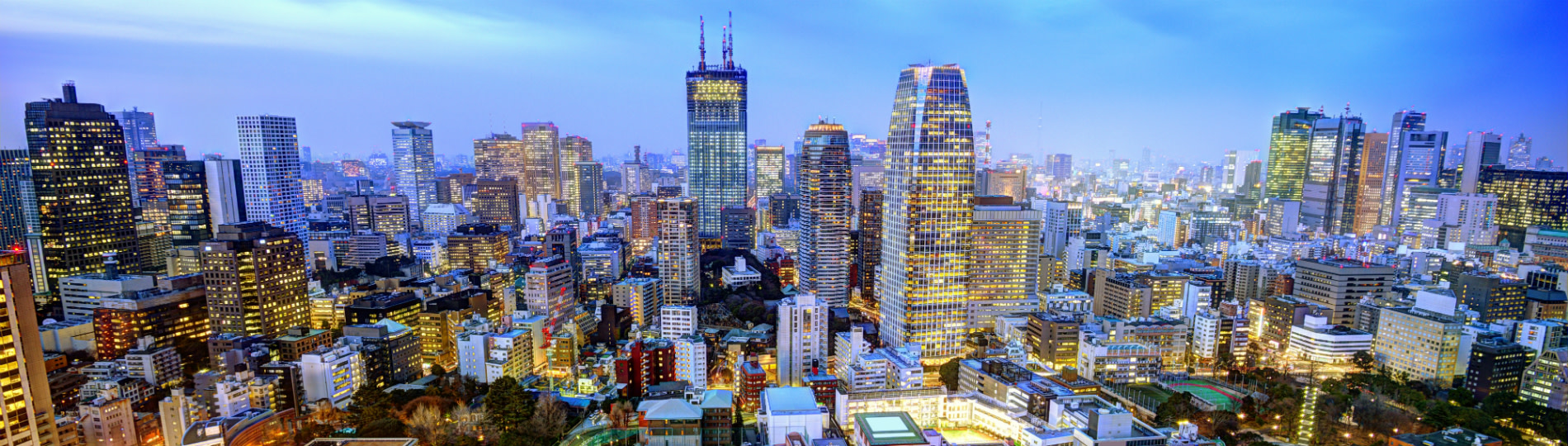
Tokyo is APAC's #1 flexible workspace market by demand, with more enquiries than any other city in H1 2026. Its vast scale, highly connected transport network and mix of major business districts and lifestyle precincts make it a natural fit for flexible working, while its US$736 average desk rate places it firmly in the region's premium market.
2. Bangkok, Thailand
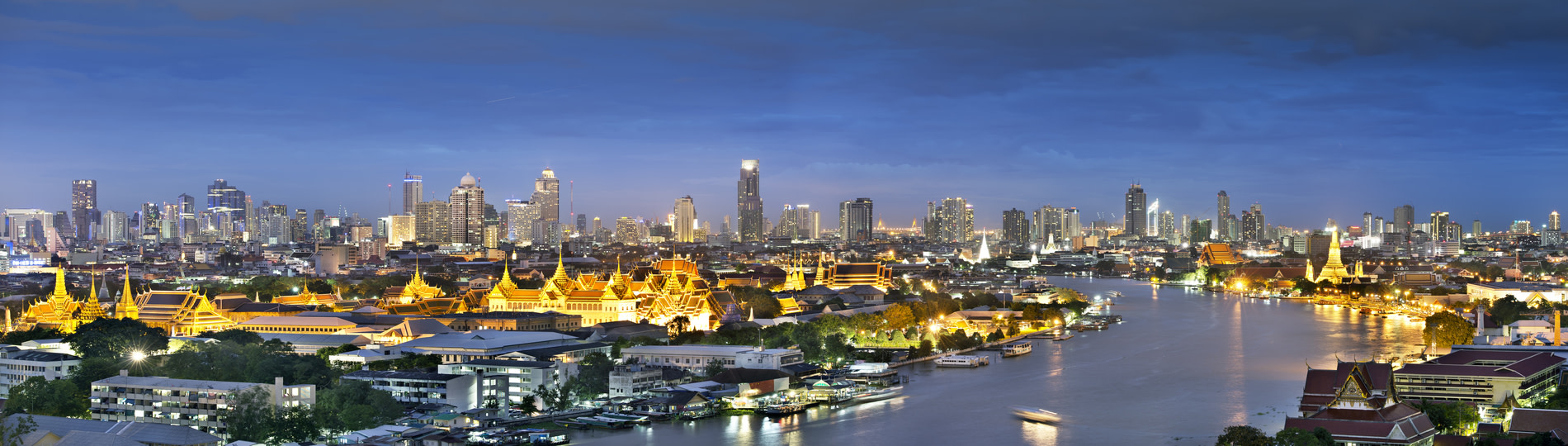
Bangkok is APAC's second-largest flexible workspace market by demand, with an average desk rate of US$298 per month. Instant's research shows the market is also evolving beyond the traditional CBD, with strong momentum in the Inner CBD Fringe, including Dusit, Phaya Thai and Din Daeng, where proximity to transport, business districts and lifestyle amenities is helping to drive appeal.
3. Singapore
Singapore is APAC's third-largest flexible workspace market by demand, while also commanding one of the region's highest average desk rates at US$806 per month. Instant’s research also points to a more decentralised market emerging alongside the CBD, with Jurong gaining significant momentum as businesses look for well-connected, live-work-play locations beyond the traditional centre.
4. Jakarta, Indonesia
Jakarta recorded a 15% increase in flexible workspace demand in H1 2026, reinforcing its position as one of Southeast Asia's fastest-growing major flex markets. With an average desk rate of just US$214 per month, the city offers a compelling combination of affordability, scale and access to one of Indonesia's largest business ecosystems.
5. Sydney, Australia
Sydney's flexible workspace demand rose 8%, even as supply contracted 3%, highlighting continued appetite for flexible space in Australia's largest business market. With an average desk rate of US$748, demand is increasingly shaped by businesses seeking high-quality space across both the CBD and city-fringe locations closer to where teams live and work.
6. Hong Kong
Hong Kong has consistently featured among APAC's leading flexible workspace markets, and demand increased a further 35% in H1 2026, with average desk rates rising 4% to US$806. Instant's research shows the city's core districts remain dominant, while areas such as Tsim Sha Tsui are gaining appeal by combining workspace with a strong mix of hospitality, lifestyle and wellness amenities.
7. Shanghai, China
Shanghai's flexible workspace demand rose 22%, while average desk rates fell 10% to US$582 per month. That combination gives businesses access to increasingly competitive flexible workspace in one of China's major commercial and financial centres, supporting both expansion and more cost effective workplace strategies.
8. Mumbai, India
Mumbai was one of APAC’s fastest-growing major flexible workspace markets, with demand rising 59% year-on-year. At an average desk rate of just US$307 per month, the city combines strong demand with relatively affordable workspace, making flex an attractive option for businesses expanding across India’s financial and commercial capital.
9. Hyderabad, India
Hyderabad was APAC's fastest-growing major flexible workspace market, with demand more than doubling year-on-year. At an average desk rate of just US$193 per month, its combination of affordability, a deep talent pool and a growing technology and global capability centre presence is making flexible workspace an increasingly attractive way for businesses to scale quickly.
10. Kuala Lumpur, Malaysia
Kuala Lumpur recorded 14% growth, with an average desk rate of US$378 per month - that’s well below the APAC average of US$498. Its combination of affordable workspace, strong connectivity and established commercial hubs makes the city attractive for businesses seeking a flexible base in Southeast Asia.
“Flexible workspace is no longer simply the place businesses go when they need a temporary office. It is being used to enter new markets, test new locations, support growing hybrid teams and give people more choice about where and how they work. Flex is now a strategic part of businesses’ real estate and HR strategies, not simply a physical place to work. The diversity of office space and connectivity across APAC means there are options to suit a wide range of businesses, and we’re seeing companies of all sizes use flexible workspace to respond to changing needs and adapt quickly as their priorities shift,” said Patrick Gidney, Regional Director APAC at The Instant Group.
APAC's fast-growing flexible workspace markets beyond the Top 10
While the largest markets above provide a sense of demand by scale, a number of other APAC cities recorded strong growth in flexible workspace demand during H1 2026. Surabaya, Indonesia (+94%) was one of the region's strongest-growing markets, followed by Jinan, China (+67%), Seoul, South Korea and Ho Chi Minh City, Vietnam (+48% each), Cebu, Philippines (+30%) and Perth, Australia (+24%). The growth across these markets shows that flexible workspace demand is continuing to build across the region, spanning cities of all sizes and types.
If you would like to access additional data and insights or would like to learn more about the flexible workspace markets across Asia Pacific, please contact Sarah Colwell - Flex Data and Insights Lead - sarah.colwell@theinstantgroup.com
Methodology
Data and insights from this report are compiled from The Instant Group’s proprietary flexible industry database, which tracks supply, demand and transactional data across Asia Pacific.
Here are the ten largest APAC flexible workspace markets by highest number of enquiries in H1 2026.
1. Tokyo, Japan
Tokyo is APAC's #1 flexible workspace market by demand, with more enquiries than any other city in H1 2026. Its vast scale, highly connected transport network and mix of major business districts and lifestyle precincts make it a natural fit for flexible working, while its US$736 average desk rate places it firmly in the region's premium market.
2. Bangkok, Thailand
Bangkok is APAC's second-largest flexible workspace market by demand, with an average desk rate of US$298 per month. Instant's research shows the market is also evolving beyond the traditional CBD, with strong momentum in the Inner CBD Fringe, including Dusit, Phaya Thai and Din Daeng, where proximity to transport, business districts and lifestyle amenities is helping to drive appeal.
3. Singapore
Singapore is APAC's third-largest flexible workspace market by demand, while also commanding one of the region's highest average desk rates at US$806 per month. Instant’s research also points to a more decentralised market emerging alongside the CBD, with Jurong gaining significant momentum as businesses look for well-connected, live-work-play locations beyond the traditional centre.
4. Jakarta, Indonesia
Jakarta recorded a 15% increase in flexible workspace demand in H1 2026, reinforcing its position as one of Southeast Asia's fastest-growing major flex markets. With an average desk rate of just US$214 per month, the city offers a compelling combination of affordability, scale and access to one of Indonesia's largest business ecosystems.
5. Sydney, Australia
Sydney's flexible workspace demand rose 8%, even as supply contracted 3%, highlighting continued appetite for flexible space in Australia's largest business market. With an average desk rate of US$748, demand is increasingly shaped by businesses seeking high-quality space across both the CBD and city-fringe locations closer to where teams live and work.
6. Hong Kong
Hong Kong has consistently featured among APAC's leading flexible workspace markets, and demand increased a further 35% in H1 2026, with average desk rates rising 4% to US$806. Instant's research shows the city's core districts remain dominant, while areas such as Tsim Sha Tsui are gaining appeal by combining workspace with a strong mix of hospitality, lifestyle and wellness amenities.
7. Shanghai, China
Shanghai's flexible workspace demand rose 22%, while average desk rates fell 10% to US$582 per month. That combination gives businesses access to increasingly competitive flexible workspace in one of China's major commercial and financial centres, supporting both expansion and more cost effective workplace strategies.
8. Mumbai, India
Mumbai was one of APAC’s fastest-growing major flexible workspace markets, with demand rising 59% year-on-year. At an average desk rate of just US$307 per month, the city combines strong demand with relatively affordable workspace, making flex an attractive option for businesses expanding across India’s financial and commercial capital.
9. Hyderabad, India
Hyderabad was APAC's fastest-growing major flexible workspace market, with demand more than doubling year-on-year. At an average desk rate of just US$193 per month, its combination of affordability, a deep talent pool and a growing technology and global capability centre presence is making flexible workspace an increasingly attractive way for businesses to scale quickly.
10. Kuala Lumpur, Malaysia
Kuala Lumpur recorded 14% growth, with an average desk rate of US$378 per month - that’s well below the APAC average of US$498. Its combination of affordable workspace, strong connectivity and established commercial hubs makes the city attractive for businesses seeking a flexible base in Southeast Asia.
“Flexible workspace is no longer simply the place businesses go when they need a temporary office. It is being used to enter new markets, test new locations, support growing hybrid teams and give people more choice about where and how they work. Flex is now a strategic part of businesses’ real estate and HR strategies, not simply a physical place to work. The diversity of office space and connectivity across APAC means there are options to suit a wide range of businesses, and we’re seeing companies of all sizes use flexible workspace to respond to changing needs and adapt quickly as their priorities shift,” said Patrick Gidney, Regional Director APAC at The Instant Group.
APAC's fast-growing flexible workspace markets beyond the Top 10
While the largest markets above provide a sense of demand by scale, a number of other APAC cities recorded strong growth in flexible workspace demand during H1 2026. Surabaya, Indonesia (+94%) was one of the region's strongest-growing markets, followed by Jinan, China (+67%), Seoul, South Korea and Ho Chi Minh City, Vietnam (+48% each), Cebu, Philippines (+30%) and Perth, Australia (+24%). The growth across these markets shows that flexible workspace demand is continuing to build across the region, spanning cities of all sizes and types.
If you would like to access additional data and insights or would like to learn more about the flexible workspace markets across Asia Pacific, please contact Sarah Colwell - Flex Data and Insights Lead - sarah.colwell@theinstantgroup.com
Methodology
Data and insights from this report are compiled from The Instant Group’s proprietary flexible industry database, which tracks supply, demand and transactional data across Asia Pacific.
nächster Artikel
Bangkok Flexible Workspace Snapshot

Unsere Experten können Ihnen Einblicke oder einen auf Ihre Bedürfnisse zugeschnittenen Bericht über agile Workspaces liefern.