Market Reports

Market-leading data and insights on workspace in specific countries, cities or sub-markets, enabling you to invest smarter, drive better decisions and maximise your portfolio.

Supply & Demand
Maximise the performance of existing portfolios or make smart decisions about expanding into new markets.
Market analysis
Additional insight and analysis from our market experts, helping you to understand and interpret data.
Occupancy
Understand occupancy levels in existing office buildings or in new markets and know how well your business is performing.
Pricing
Gain invaluable insight into average desk rates and pricing trends in key markets.

Featured reports

Featured
New York City
New York City
New York city is the second largest flexible office market globally with a wide mix of providers offering space. Rates vary dramatically across the city with some of the highest average rates per desk globally being achieved in the city. While the majority of supply exists in Manhattan in the last 12 months we have seen a move towards other boroughs such as Queens, Brooklyn and even Staten Island.
Featured
Singapore
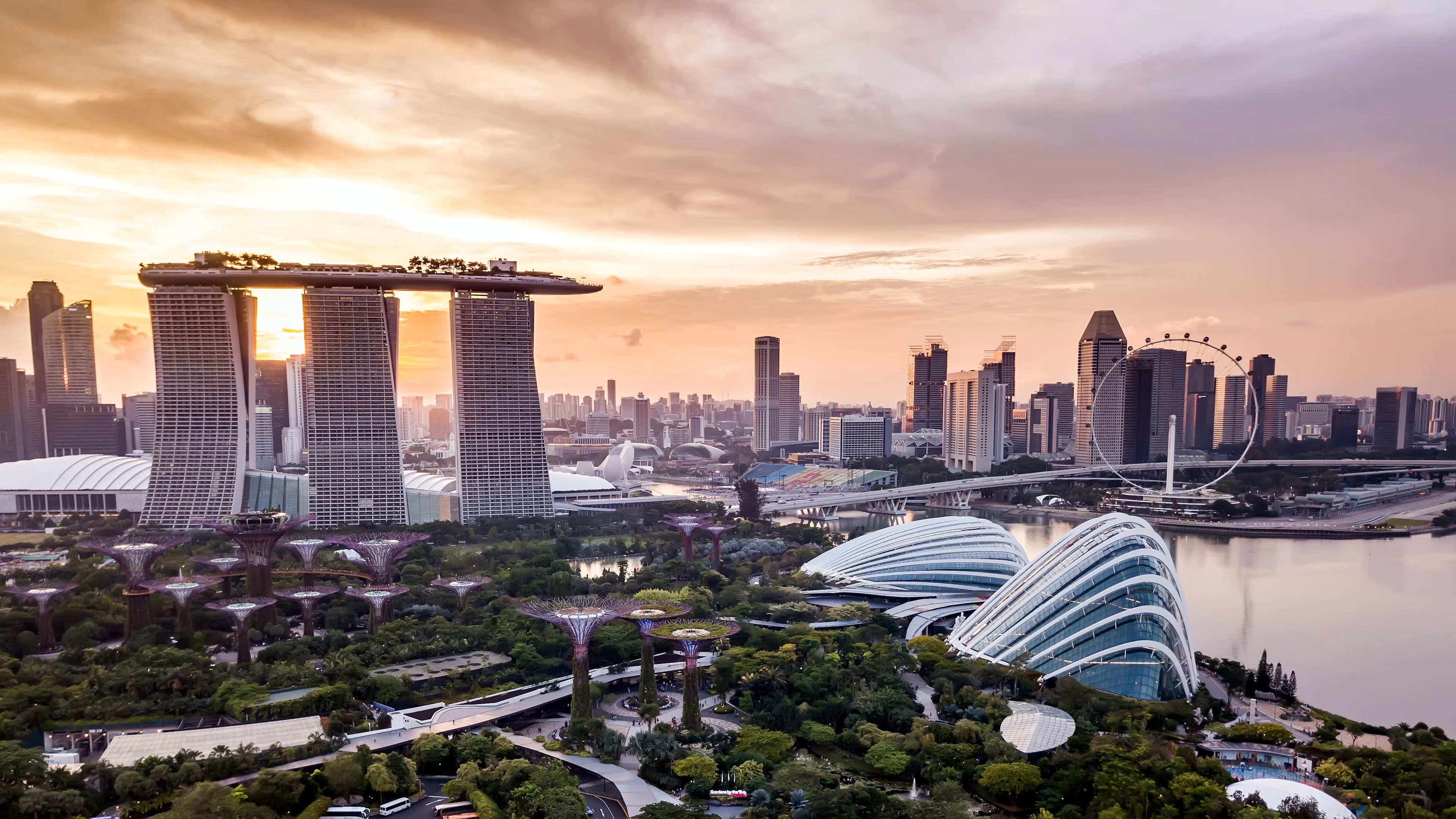
Singapore
Singapore continues to see high levels of supply growth year on year with one of the largest flexible workspace markets in Asia found in the Island City-State. Singapore has long been a key business hub and with very limited office supply was a natural expansion ground for flexible working as providers looked to expand outside of their home markets. Because of this the share of large international operators is high across the city although niche coworking providers continue to pop up as the market develops.
Featured
San Francisco
San Francisco
Thanks to the tech boom in the city over the last decade the demand for high quality office space has been ever present. This meant that San Francisco was one of the first US cities to see a real flexible workspace industry. Rates remain some of the highest in the US and while larger companies are looking to create their own flexible environments the number of small companies looking to grow in the city creates continuous demand. Due to the cost of commercial real estate in the city we have more recently seen providers move out of the city core and into the wider bay area.
Berlin
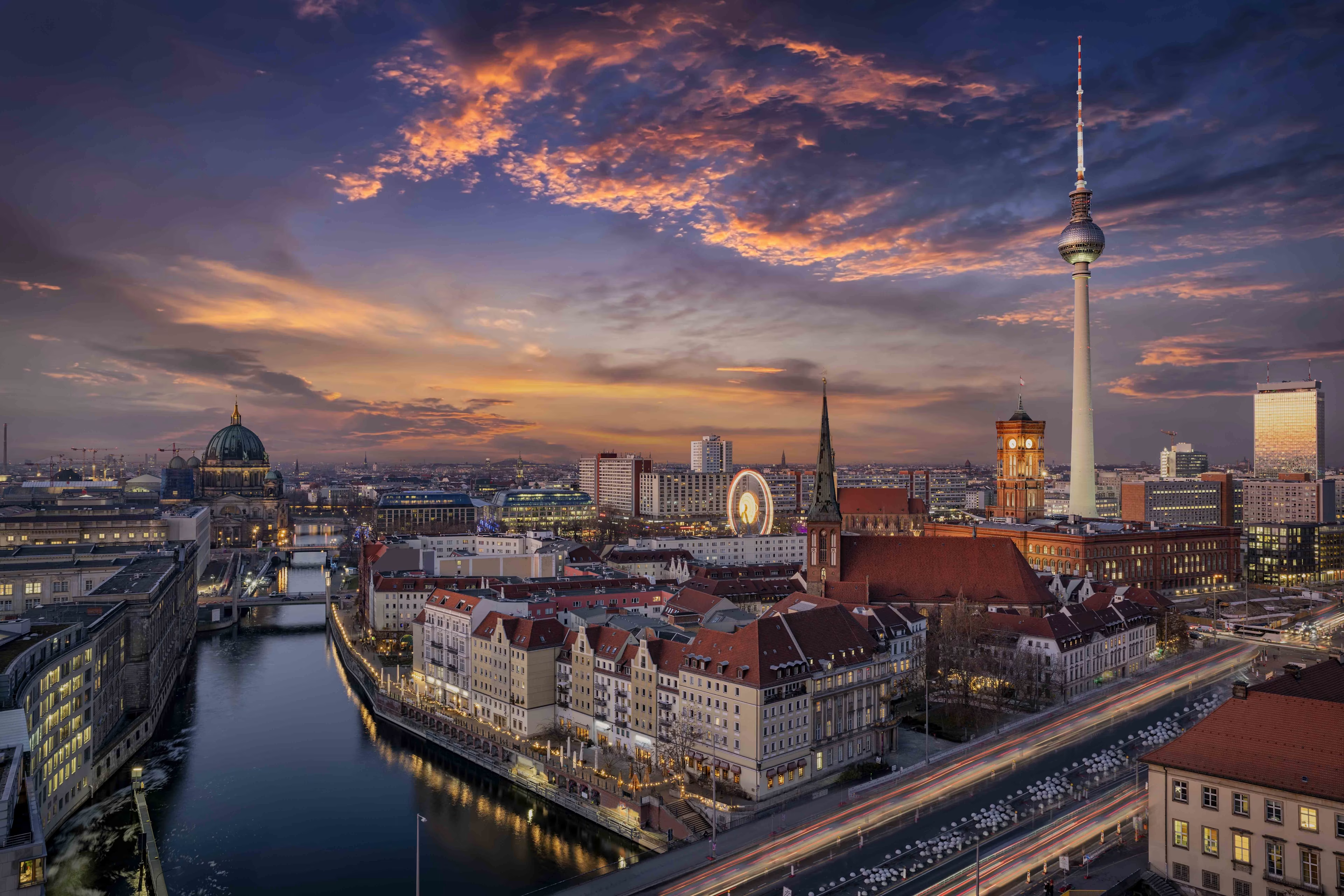
Berlin
Berlin has some of the lowest traditional vacancy rates across all of Europe's major cities, a factor that has no doubt helped the growth of flexible space across the city. Occupancy figures in flex space remain very high despite increasing levels of supply and rates remain strong. We are seeing the proliferation of the flex market outside of core business areas as providers look to regenerate lower value buildings in less desirable areas of the city.
Dallas
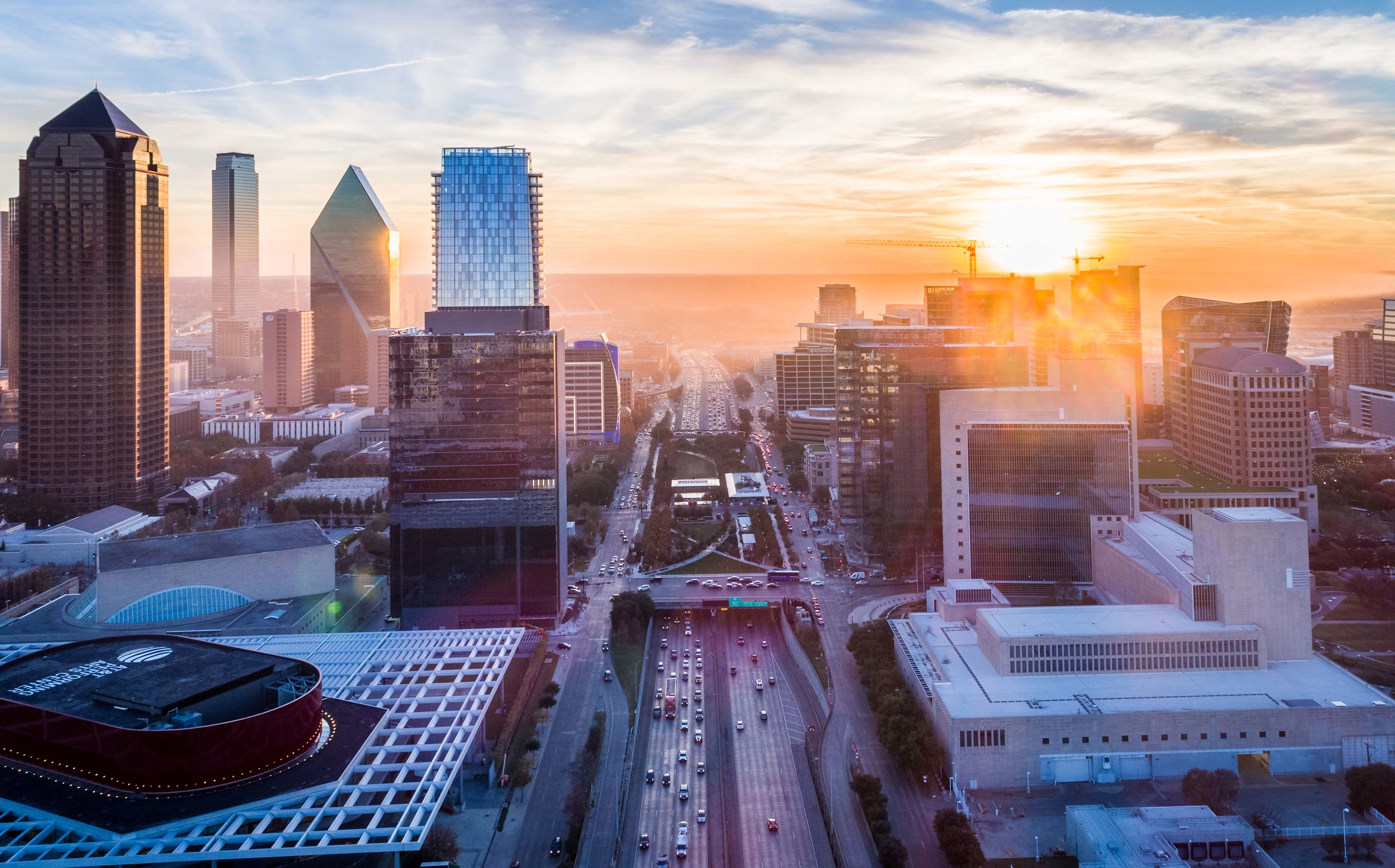
Dallas
Availability of traditional office space in the Dallas market remains high compard to other US markets and this has certinaly been a limiting factor to the flexible markets growth in the city. Rates while rising are low and flex providers have had to focus very much on service as a key USP. Rates for high end flex space are strong but the variation in the quality and affordability of space across the city is vast, creating lower than expected rates in the city.
Miami
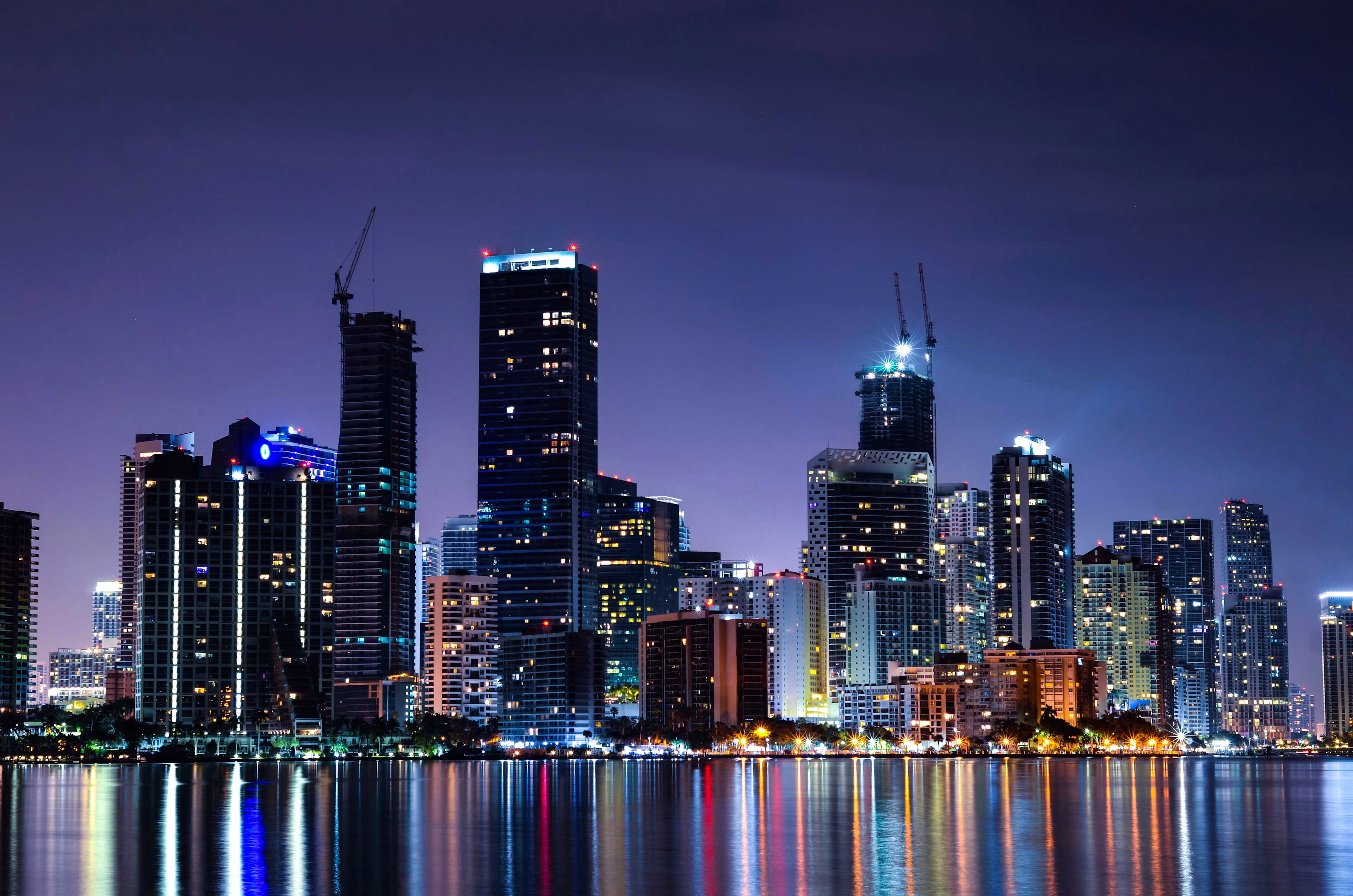
Miami
High end flex spaces across the Miami market are reporting high levels of occupancy and have been achieving higher than average rates in recent years, both signs of a very buoyant market. Expansion of the flex market in the city is expected to continue with Landlords in particular likely to play a bigger part in the near future.
Birmingham
Birmingham
Birmingham continues to be one of the UKs leading office markets. The flex market in the city is no different with supply levels predicted to reach 6% of total city office supply by the end of 2020. Rates across the city have been under pressure in recent years and operators have become more careful when looking at expanding into the city.
Austin
Austin
Vacancy rates in Austin continue to climb with reports indicating Class A space now sits above 10% in the city. Despite this we have seen a growing trend for remote working in the city, a trend the flex industry is well positioned to capitalise on. Coworking spaces have been growing at pace within the city and the move away from more traditional serviced space looks set to continue in the city.
Johannesburg
Johannesburg
Johannesburg continues to slightly outpace the South African economy from a growth perspective with steady increases of 2% in GDP annually. The flex market in the city now represents over 100 locations but growth has been very slow over the last 2 years and we expect to see some consolidation in the coming year.
Dublin
Dublin
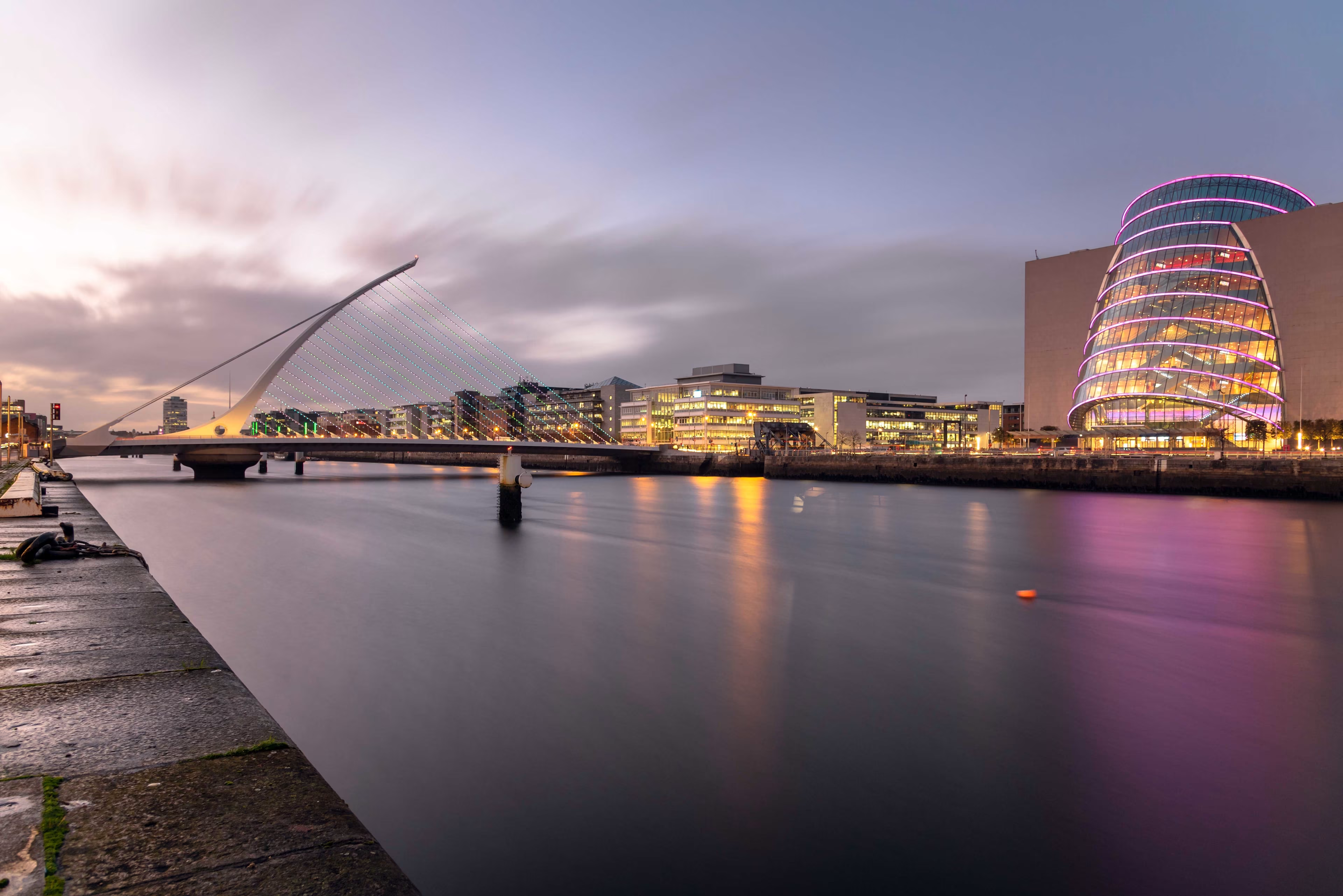
The flex market in Dublin has been incredibly strong over the past 12 months, in part supported by British Brexit plans but also the traditionally low vacancy rates of traditional office space. We have seen the gradual increase in the variety and quality of flex space supply in the city which has supported the growth of larger requirements from corporate companies interested in the city.
Los Angeles
Los Angeles
Compared to other large US cities the Los Angeles flex market is fairly immature. In part this due to the very large footprint of the city with office districts found across various areas of the city. That being said rates have been increasing alongside supply over the last 2 years as various different flex "hubs" have sprung up. The general demographics of the cities population and dispersed nature actually make it a natural home for a large and diverse flexible workspace market.
Insights in your inbox
Sign up to the Instant Group newsletter